How to Set Posts in Concrete A Comprehensive Guide
How to set posts in concrete is a crucial skill for any construction project, ensuring structural integrity and longevity. This guide provides a step-by-step approach, covering everything from initial preparation to post curing and finishing. Understanding the different types of posts, appropriate concrete mixes, and safety precautions are paramount. We’ll delve into the specifics, outlining essential procedures and providing helpful visuals to illustrate the process.
From preparing the ground and post to setting the concrete and curing it properly, this comprehensive guide walks you through the entire process. We’ll explore the diverse applications of concrete posts, the various materials used, and the critical considerations for achieving a robust and aesthetically pleasing result. Detailed tables comparing materials, tools, and procedures further enhance your understanding and ensure efficient implementation.
Introduction to Concrete Post Installation
Setting posts in concrete is a crucial aspect of construction, ensuring structural stability and longevity. Proper installation is paramount for the integrity of the structure and the longevity of the post. This process involves several steps, from excavation and formwork to pouring concrete and curing. The choice of post material plays a significant role in the overall design and performance of the structure.
The success of any structure heavily relies on the quality of its foundations. A properly installed post in concrete provides a robust and stable base for various applications, from fences and decks to more substantial support structures. This method ensures a secure connection between the post and the ground, offering resistance against external forces like wind, seismic activity, and weight loads.
Common Types of Construction Posts
Various materials are used for construction posts, each with its unique characteristics and suitability for different applications. Wood, metal (steel, aluminum), and composite materials are common choices. The selection depends on factors such as load-bearing capacity, aesthetic considerations, and environmental conditions.
Post Materials and Their Suitability for Concrete Setting
| Material | Suitability for Concrete Setting | Advantages | Disadvantages |
|---|---|---|---|
| Wood | Good for light-duty applications. Requires specific treatment for longevity in contact with moisture. | Aesthetically pleasing, relatively inexpensive, readily available. | Susceptible to rot, insect damage, and decay if not properly treated. Lower load-bearing capacity compared to other materials. |
| Steel | Excellent for high-load applications and durability. Can be readily galvanized or coated for corrosion resistance. | High load-bearing capacity, durable, long lifespan. | Higher initial cost compared to wood. May require specialized installation techniques. Can rust if not properly protected. |
| Aluminum | Suitable for light to moderate load applications, and offers good corrosion resistance. | Lightweight, corrosion-resistant, attractive appearance. | Lower load-bearing capacity than steel. May require specialized installation methods. Can be more expensive than wood. |
| Composite | Excellent for a variety of applications, combining the strengths of multiple materials. | Durability, resistance to rot, insects, and moisture, low maintenance. | Higher initial cost than wood. May not be as readily available as other materials. |
Situations Where Concrete-Set Posts are Used
Concrete-set posts are used in numerous applications. Fences, decks, and retaining walls frequently utilize these posts to provide a strong and stable foundation. Furthermore, utility poles, signage, and support structures for various equipment often rely on concrete-set posts for structural integrity. The depth of the concrete foundation is crucial to prevent the post from shifting or tilting.
Importance of Proper Installation
Proper concrete post installation is critical for structural integrity. Improper installation can lead to various issues, including: uneven settling, movement of the post, and potential structural failure. Accurate measurements, careful formwork, and adequate curing time are crucial to ensure a reliable and durable installation. The concrete must be strong enough to support the anticipated load, and the post must be securely embedded within the concrete.
Preparation for Concrete Post Installation
Proper preparation is crucial for a successful concrete post installation. Careful groundwork and precise concrete mix preparation minimize potential issues and ensure the longevity and stability of the finished post. This involves meticulous attention to detail in both the site and material preparation.
Ground Preparation
Thorough ground preparation is paramount to achieving a stable and lasting concrete post. Uneven or unstable ground can lead to post settlement, cracks, and ultimately, structural failure. The ground must be level and compacted to provide a solid foundation for the post.
- Excavation: Carefully excavate a hole of the appropriate dimensions for the post. The hole depth should extend below the frost line to prevent uplift. The width of the hole should accommodate the base of the post and the surrounding concrete base.
- Compaction: Compact the excavated soil thoroughly to eliminate voids and ensure a stable base. This can be done manually with a tamper or mechanically with a compactor. The goal is a firm, dense layer that prevents future settlement.
- Grading: Ensure the excavated area is level and the surrounding ground is sloped away from the post to prevent water accumulation. A well-graded area facilitates proper drainage, preventing moisture issues.
Post Preparation, How to set posts in concrete
Careful preparation of the post itself is just as important as the ground preparation. This includes ensuring the post is clean, free from debris, and ready to receive the concrete.
- Cleaning: Thoroughly clean the post surface to remove any dirt, debris, or loose materials that could hinder concrete adhesion. A wire brush or a pressure washer can be used.
- Inspection: Inspect the post for any damage or defects that could compromise its integrity. Replace or repair any damaged sections before installation.
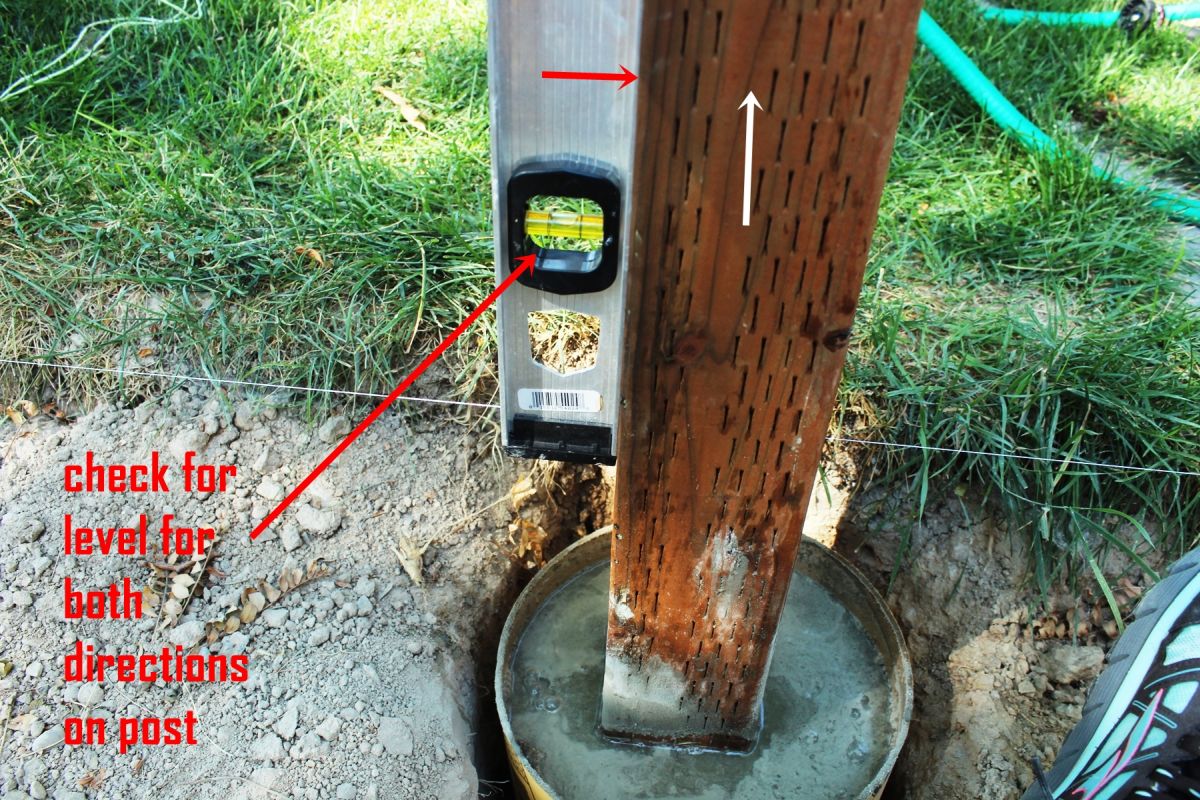
- Placement: Position the post in the center of the prepared hole. Use a plumb bob or level to ensure the post is vertical and straight.
Concrete Mix Preparation
A crucial aspect of concrete post installation is the preparation of the concrete mix itself. Using the correct mix ratio is vital for achieving the desired strength, workability, and durability.
- Materials: The necessary materials for concrete include cement, aggregate (sand and gravel), and water. The precise quantities of these components determine the mix’s strength and consistency.
- Mix Ratio: Adherence to the correct concrete mix ratio is critical. A higher cement content, for example, might lead to a stronger but less workable concrete. The correct ratio ensures that the concrete is strong enough to support the post while being easily poured and compacted.
- Mixing: Mix the concrete components thoroughly in a concrete mixer or by hand until a uniform consistency is achieved. Over-mixing or under-mixing can affect the concrete’s quality.
Importance of Correct Mix Ratio
The precise mix ratio directly influences the concrete’s compressive strength, durability, and workability. A well-balanced ratio results in a concrete that is strong enough to support the post and resist environmental factors.
Using a proper mix ratio, as specified by the concrete manufacturer, is essential to ensure the concrete meets the structural requirements for the post.
Tools and Equipment
The required tools and equipment for concrete post installation vary depending on the project’s scope and complexity. This table lists some of the essential tools and materials needed for each step.
| Step | Tools & Materials |
|---|---|
| Ground Preparation | Shovel, pickaxe, tamper, level, measuring tape, wheelbarrow, compactor (optional) |
| Post Preparation | Wire brush, pressure washer, plumb bob |
| Concrete Mix Preparation | Concrete mixer, measuring containers, wheelbarrow, mixing tools, safety goggles |
| Post Installation | Post, rebar (optional), concrete, pouring tools, level, measuring tape, safety equipment (gloves, hard hat) |
Setting the Concrete Posts
Properly setting concrete posts is crucial for the structural integrity and longevity of any construction project. A stable, level installation ensures the post will support the intended load and prevent future issues. This section details the procedures for achieving a robust and aesthetically pleasing installation.
Careful placement of the post within the prepared hole, along with meticulous concrete compaction and finishing techniques, are key to a successful outcome. This section will guide you through these steps, emphasizing the importance of each technique for a sturdy and long-lasting structure.
Placing the Post in the Hole
Ensuring the post is centered and plumb in the hole is vital. A plumb bob or level can be used to verify vertical alignment. Once positioned, gently tap the post to settle it further into the hole, taking care not to damage the post or the surrounding soil. A slight adjustment may be needed to perfectly center the post within the hole.
Ensuring a Stable and Level Post
Maintaining the post’s level and stability is essential. Use a level to verify the post is precisely horizontal. Adjust the position of the post and add backfill as needed. Ensure the post is firmly supported by the compacted surrounding soil. This will prevent any shifting or settling later on.
Compacting the Concrete Around the Post
Proper concrete compaction is critical for achieving a strong bond between the post and the surrounding concrete. Use a vibrating poker or a concrete tamper to eliminate air pockets and ensure the concrete adheres tightly to the post. This process ensures the post remains firmly embedded in the concrete. Work in sections, compacting the concrete around the post in a layered manner, ensuring each layer is thoroughly compacted before adding the next.
Achieving a Smooth Finish
A smooth finish around the post enhances the overall aesthetic appeal of the structure. Use a trowel or a float to smooth the concrete surface after compaction. Work in a consistent manner, ensuring a uniform surface. For a professional finish, consider using a power trowel to achieve a smooth and level surface. Ensure the concrete is still workable when applying the finishing touches.
Step-by-Step Post Setting Procedure
| Step | Description | Time Estimate (Approximate) |
|---|---|---|
| 1 | Verify hole depth and dimensions | 15 minutes |
| 2 | Center and plumb the post in the hole | 10 minutes |
| 3 | Add initial concrete base and compact | 20 minutes |
| 4 | Insert post and continue pouring concrete | 30 minutes |
| 5 | Compact concrete around the post | 15 minutes |
| 6 | Smooth and finish the concrete surface | 10 minutes |
| 7 | Allow concrete to cure (per manufacturer instructions) | 24+ hours |
Note: Time estimates are approximate and may vary depending on the size of the post, the complexity of the site, and the specific conditions.
Post Curing and Finishing
Source: abbottsathome.com
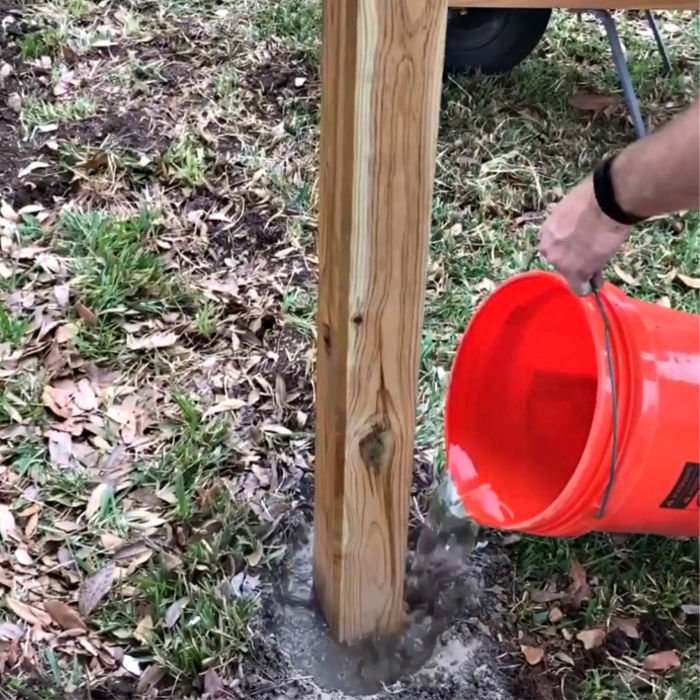
Proper curing and finishing of concrete posts are critical for achieving the desired strength, durability, and aesthetic appeal. These steps ensure the concrete develops its full potential, resisting weathering, cracking, and other environmental stresses. Ignoring these procedures can lead to premature deterioration and costly repairs.
Importance of Concrete Curing
Concrete, when fresh, is highly susceptible to moisture loss and temperature fluctuations. Proper curing prevents these issues, allowing the hydration process to proceed optimally. This leads to a stronger, more durable, and less prone-to-cracking concrete structure. The curing process is essential for achieving the concrete’s designed compressive strength and for preventing shrinkage cracks.
Methods for Concrete Curing
Effective curing methods ensure the concrete retains sufficient moisture to hydrate fully. Several techniques are employed to achieve this, each with its advantages and disadvantages.
- Water Curing: This method involves keeping the concrete surface consistently moist. This is often achieved by covering the post with plastic sheeting or damp burlap. Water curing ensures continuous hydration and prevents rapid moisture loss, essential for achieving the desired strength. The water needs to be applied frequently to maintain a consistent moisture level, especially in dry climates.
- Membrane Curing: This technique involves applying a curing compound to the concrete surface. The compound forms a protective barrier that prevents moisture evaporation and maintains a humid environment around the concrete. Membrane curing is particularly useful in environments with high temperatures or low humidity. This method can significantly reduce the risk of cracking compared to other methods.
- Steam Curing: This method uses steam to create a humid environment, accelerating the hydration process and enhancing the concrete’s early strength. Steam curing is often employed in large-scale construction projects to achieve faster curing times. This method is highly effective but is usually more costly and requires specialized equipment.
Duration and Conditions for Proper Curing
The optimal curing duration and environmental conditions vary based on factors such as the concrete mix design, ambient temperature, and the specific curing method used. Generally, the curing process should continue until the concrete has achieved the desired compressive strength, typically a minimum of 28 days. Maintaining a consistently moist environment is critical for uniform hydration and prevents premature cracking. In warmer climates, or during periods of low humidity, extended curing times might be necessary to ensure adequate hydration.
Preventing Cracking in Concrete Posts
Cracking in concrete is a common issue, particularly in post installations. Several strategies can be employed to minimize this risk.
- Proper Post Installation: Ensuring the post is installed plumb and level is crucial. Incorrect installation can lead to uneven stress distribution and cracking.
- Careful Concrete Mixing: Ensuring the correct water-cement ratio and proper mixing procedures are crucial. Poorly mixed concrete can lead to uneven strength and increased susceptibility to cracking.
- Appropriate Formwork: Utilizing appropriate and adequately reinforced formwork prevents cracking during the pouring process.
- Control of Shrinkage: Using concrete mixes designed to minimize shrinkage can help to reduce the likelihood of cracking during the curing process. This includes utilizing additives that reduce shrinkage and increase the concrete’s durability.
Comparison of Concrete Curing Methods
| Curing Method | Effectiveness | Cost | Ease of Application | Environmental Impact |
|---|---|---|---|---|
| Water Curing | Good | Low | Moderate | Minimal |
| Membrane Curing | Excellent | Moderate | Moderate | Minimal |
| Steam Curing | Excellent | High | Low | Minimal (with proper management) |
Safety Considerations During Installation: How To Set Posts In Concrete
Source: homedit.com
Proper safety procedures are crucial during concrete post installation to prevent accidents and injuries. Neglecting safety precautions can lead to serious consequences, including physical harm and potential project delays due to repairs or downtime. Adhering to safety regulations and employing the correct personal protective equipment (PPE) is paramount for a smooth and safe installation process.
Ensuring a secure and accident-free installation environment requires proactive measures and adherence to safety protocols. This involves identifying potential hazards, implementing preventive measures, and equipping oneself with the necessary personal protective equipment. Following safety regulations not only safeguards individuals but also contributes to the overall success of the project.
Potential Hazards
Careful identification of potential hazards is the first step in preventing accidents. Common hazards during concrete post installation include handling heavy materials, working in confined spaces, and operating power tools. Recognizing these hazards allows for the implementation of appropriate safety measures.
Safety Precautions and Measures
Implementing effective safety precautions is critical to mitigate risks. These precautions encompass a range of measures from proper lifting techniques to the use of safety harnesses in elevated work areas. Using proper lifting techniques, such as employing a team lift for heavy objects, is essential. Providing adequate lighting in confined spaces minimizes the risk of tripping or falls. Strict adherence to manufacturers’ instructions when operating power tools, including wearing safety glasses and ear protection, is paramount.
Personal Protective Equipment (PPE)
Appropriate personal protective equipment (PPE) is essential to safeguard workers from potential hazards. This includes but is not limited to safety glasses, gloves, steel-toed boots, and hard hats. Safety glasses protect the eyes from flying debris. Gloves protect hands from cuts, abrasions, and chemicals. Steel-toed boots provide protection against falling objects and impacts. Hard hats protect the head from falling objects. The selection and use of appropriate PPE are vital in minimizing risks.
Importance of Following Safety Regulations
Adherence to safety regulations is not merely a procedural requirement but a fundamental aspect of a safe work environment. Regulations Artikel best practices and safety standards to prevent accidents. Complying with these regulations protects workers, safeguards the project, and ensures legal compliance. This proactive approach to safety minimizes the risk of accidents and their associated costs.
Safety Measures Table
| Potential Hazard | Safety Measures |
|---|---|
| Handling heavy materials | Employing proper lifting techniques, using mechanical lifting aids (e.g., cranes, forklifts), ensuring adequate support surfaces. |
| Working in confined spaces | Adequate ventilation, proper lighting, spotters, and personal safety monitoring. Ensure the space is free from obstructions. |
| Operating power tools | Using appropriate PPE (safety glasses, ear protection, gloves), following manufacturer’s instructions, maintaining tools in good working order, and ensuring the work area is clear. |
| Falling objects | Using safety nets or barriers, secure overhead materials, and providing warning signs for potential hazards. |
| Electrical hazards | Checking electrical cords and equipment for damage, ensuring proper grounding, and working with qualified electricians. |
| Working at heights | Using safety harnesses, fall arrest systems, proper scaffolding, and spotters. Regular safety inspections. |
Troubleshooting and Maintenance
Concrete post installation, while generally straightforward, can sometimes encounter unforeseen challenges. Proper troubleshooting and maintenance are crucial for ensuring the longevity and structural integrity of the posts. This section will detail common problems, solutions, and maintenance strategies to keep your concrete posts in excellent condition.
Common Installation Problems
Addressing potential issues during installation prevents costly repairs and ensures a strong foundation. Several factors can contribute to problems, from improper curing to insufficient reinforcement. Understanding these issues allows for proactive solutions.
- Settlement or Uneven Settling: Uneven ground conditions or insufficient compaction of the base can lead to settlement or uneven settling of the posts. This results in a compromised foundation and structural instability. Ensuring a level base and proper compaction is crucial to prevent this.
- Cracking or Damage During Installation: Improper handling, excessive force during placement, or inadequate reinforcement can lead to cracks or damage to the posts. Carefully handling the posts, using appropriate tools, and ensuring sufficient reinforcement are key preventive measures.
- Inadequate Concrete Mix: A concrete mix that’s too wet or too dry, or lacks proper aggregate proportions, can result in a weak and susceptible post. Following the recommended concrete mix ratio and ensuring proper hydration are essential.
Solutions for Installation Problems
Addressing these issues promptly is vital for maintaining the structural integrity of the concrete posts. The appropriate solution depends on the nature of the problem.
- Settlement or Uneven Settling: Re-leveling the base and adding additional support materials (e.g., compacted gravel) is often necessary. If significant settlement has occurred, the post may need to be removed and reinstalled with a more robust foundation.
- Cracking or Damage During Installation: Minor cracks can sometimes be repaired with epoxy resin or concrete patching compounds. More significant damage may require replacing the damaged post. Using proper lifting and positioning techniques can minimize the risk of damage.
- Inadequate Concrete Mix: If the concrete mix is too wet, it can be difficult to compact, resulting in voids. A too-dry mix can lead to a weak structure. Rectifying the mix ratio according to the specifications is essential.
Concrete Post Maintenance
Regular maintenance is vital to prevent deterioration and extend the lifespan of concrete posts.
- Protection from Weathering: Concrete posts are susceptible to damage from freeze-thaw cycles and prolonged exposure to moisture. Applying a sealant or protective coating can mitigate the effects of these environmental factors.
- Regular Inspections: Periodic inspections are essential to identify any signs of deterioration, such as cracks, spalling, or moisture intrusion. Prompt identification and repair of issues can prevent further damage and ensure structural integrity.
- Cleaning and Repairing: Cleaning the post surface and addressing any damage, like minor cracks, are crucial for maintaining aesthetics and preventing further degradation. Regular cleaning can also prevent the build-up of dirt and debris, which can accelerate deterioration.
Importance of Regular Inspections
Regular inspections are essential for proactively addressing issues and avoiding costly repairs.
- Early Detection of Problems: Early detection of potential issues, like cracks or moisture damage, allows for timely repairs, preventing further deterioration and structural failure. This proactive approach minimizes long-term costs and ensures the longevity of the posts.
Troubleshooting Table
The table below summarizes common concrete post installation problems and their solutions.
| Problem | Solution |
|---|---|
| Settlement or Uneven Settling | Re-leveling the base and adding additional support materials; potentially re-installing the post with a more robust foundation. |
| Cracking or Damage During Installation | Minor cracks can be repaired with epoxy resin or concrete patching compounds; significant damage may require replacing the post. |
| Inadequate Concrete Mix | Rectifying the mix ratio according to the specifications. |
Concluding Remarks
In conclusion, setting posts in concrete requires meticulous planning and execution. This guide has highlighted the key steps, from initial preparation to final finishing, encompassing safety considerations and troubleshooting. By understanding the nuances of each stage, you can ensure a sturdy and lasting installation. Remember to prioritize safety throughout the process, and consult professionals for complex projects. The provided examples and case studies further solidify the practical application of these techniques.